
Publicidad
How AI Fits Into Humanity’s Troubling History
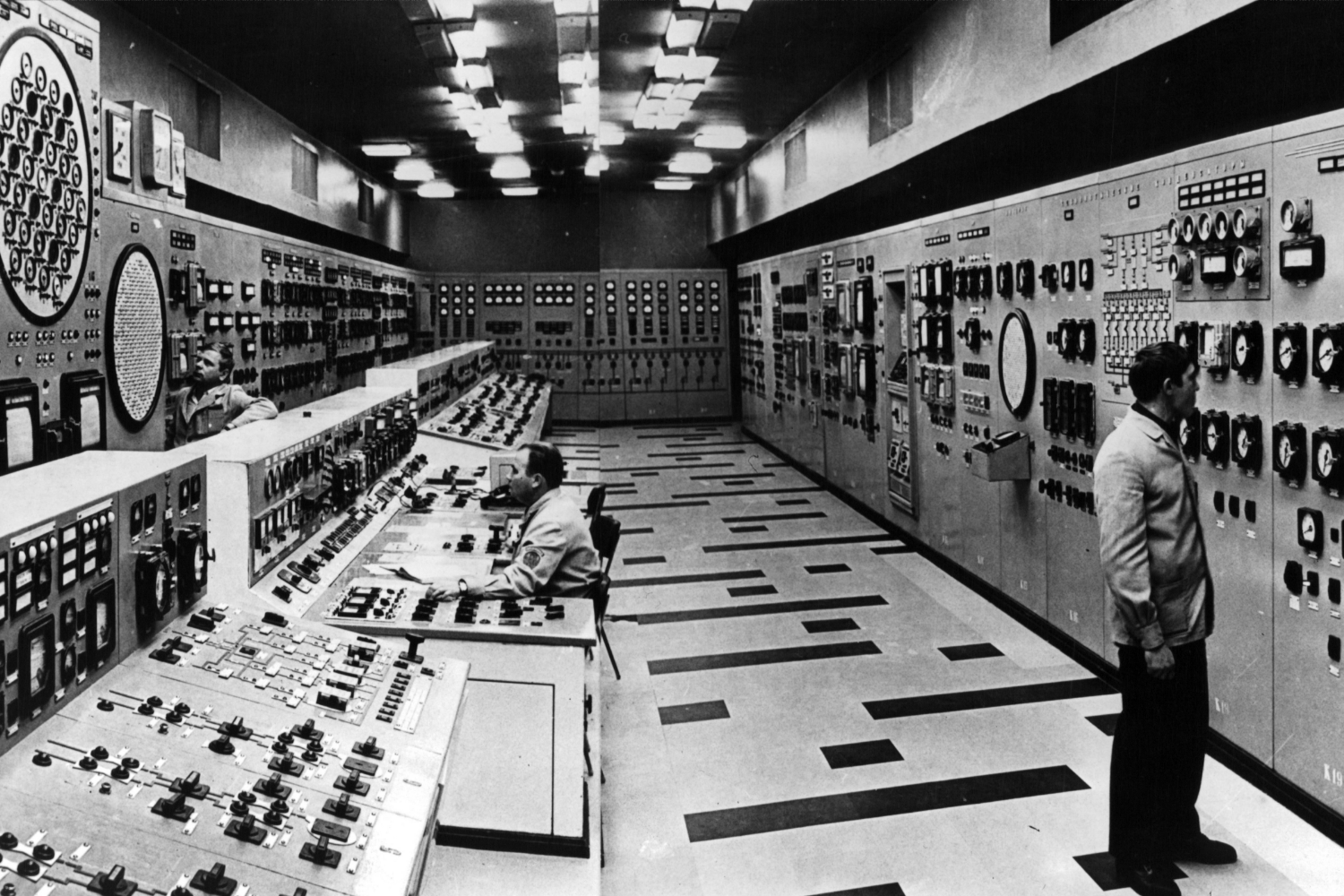
Artificial intelligence, like many transformative technologies before it, carries risks that extend far beyond technical problems. The deeper challenge lies in how human nature tends to misuse powerful tools, regardless of their intended purpose.
The recent flood of coverage depicting AI as an existential threat reflects genuine concerns. Yet the pessimism may stem less from the technology itself than from a historical pattern: human ingenuity routinely produces breakthroughs that solve one problem while generating far more complicated ones.
The Pattern of Progress and Consequence
Through years of teaching public policy courses in the United States and China, a consistent pattern emerges in how human societies have managed their most consequential breakthroughs. These advances—the very ones that sustain our notion of progress—invariably bring vastly more complicated challenges in their wake.
Consider the agricultural revolution, one of the defining achievements in human history. When early societies abandoned nomadic life for settled communities, typically in fertile river valleys like the Tigris-Euphrates and other river deltas, they unlocked unprecedented potential. Predictable seasonal flooding and nutrient-rich soils enabled systematic farming.
From Surplus to Complexity
The benefits were real and profound. Regular food supplies emerged; surpluses accumulated, spurring trade; writing and record-keeping developed in tandem with the formation of the first states. For the first time, human civilization appeared to have transcended the Hobbesian condition of life being "nasty, brutish, and short."
Yet this same agricultural foundation that enabled civilization's rise also created the conditions for its violent collapse. As political scientist James Scott and others have documented, entire early city-states fell victim to the very consequences of their agricultural success, whether through resource depletion, environmental degradation, or the vulnerability that comes with concentrated populations dependent on a single food source.
The AI moment mirrors this historical dynamic: powerful capabilities emerge, but the mechanisms that govern how humans deploy them remain bound by the same impulses and limitations that have shaped every prior technological inflection point. This suggests that the regulation of AI itself, while necessary, may address only the surface of a far deeper problem rooted in human nature itself.
Publicidad