
Publicidad
How Canada Is Navigating Trump’s Threats
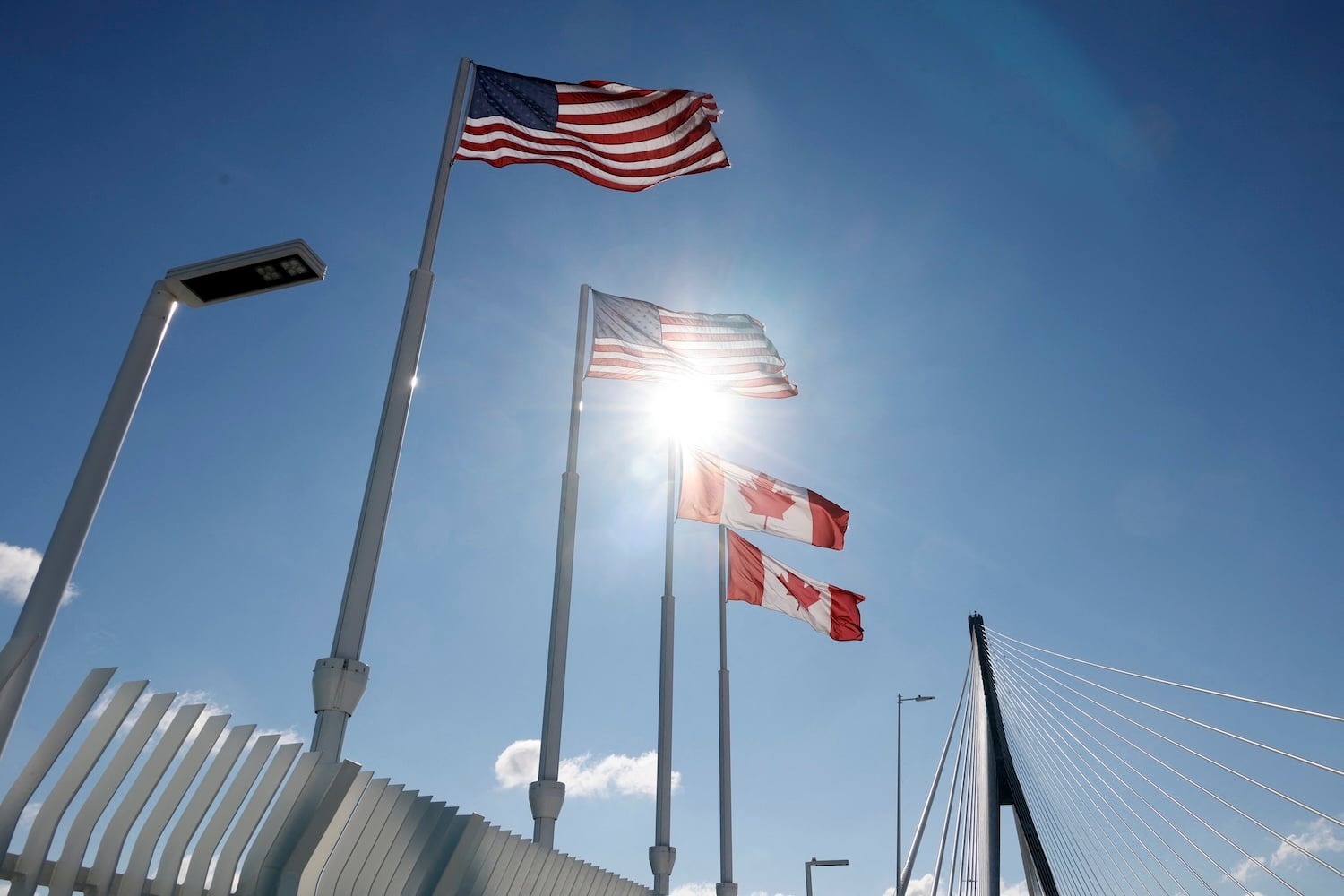
U.S. President Donald Trump has upended relations with several traditional allies, but Canada—the world's 11th-largest economy and home to the planet's longest land border with the United States—faces particular pressure. Trump has repeatedly referred to Canada as the "51st state," imposed sanctions on Ottawa, and prompted Canadian officials to seek alternative trade and defense partnerships with Europe and beyond.
Mutual Dependence in Integrated Supply Chains
On the sidelines of the U.N. General Assembly, Canada's Foreign Minister Anita Anand discussed the country's approach to the trade tensions. When asked how Canada responds to Trump's assertion that "We don't need Canada. They need us," Anand emphasized the depth of economic integration between the two nations.
"Our economies, which have been integrated for decades upon decades, are mutually interdependent. If you look at the auto sector, for example, prior to a car finally being produced, it travels back and forth across the border between Canada and the United States several times."
Anand highlighted how the automotive industry exemplifies this symbiotic relationship, with components crossing the border multiple times before final assembly. She noted that many other sectors share similar patterns of integration built over decades.
Canadian negotiators are focusing on sectoral tariffs outside the Canada-United States Free Trade Agreement, particularly in steel, aluminum, lumber, and auto sectors where supply chains and economies are deeply intertwined. Their goal is to reach an outcome that benefits both populations and preserves the stability of cross-border commerce.
Publicidad