
Publicidad
UK food and drink trade deficit largest since 2000 at £21bn
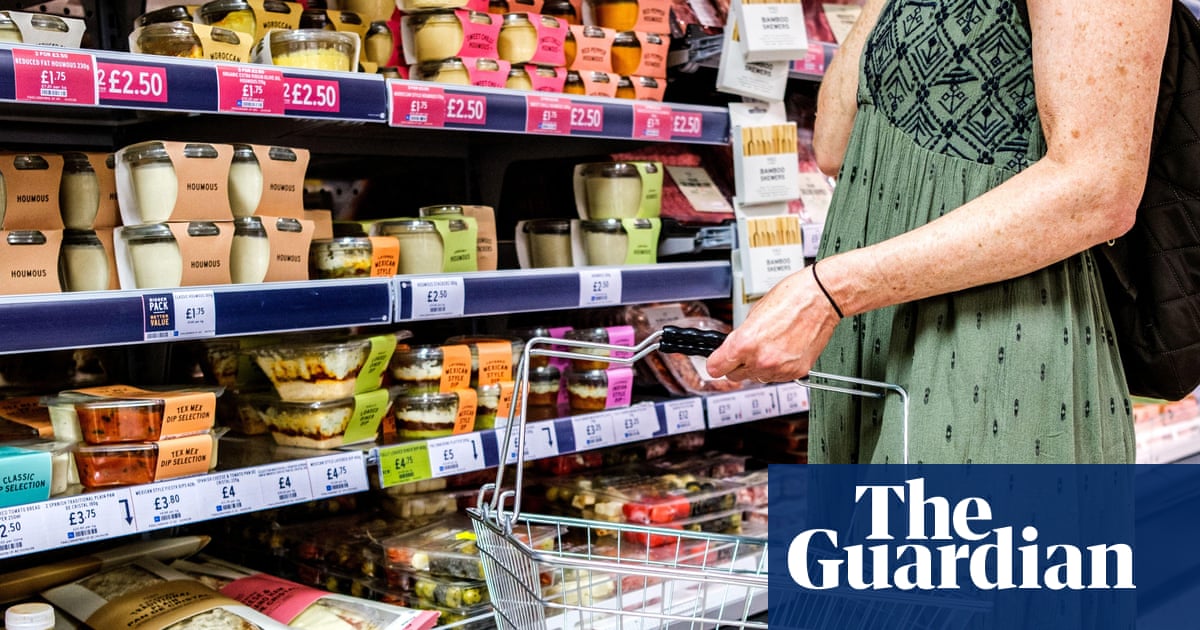
The UK's food and drink trade deficit has reached more than £21bn – its largest since 2000 – as Brexit, Middle East conflict, and US tariffs have constrained export growth while import volumes have surged to near-record levels.
Export volumes fell sharply in the first half of 2026, according to analysis by the Food & Drink Federation (FDF). UK food and drink exports declined by 11.7% to 4bn kg, marginally above levels recorded during the Covid pandemic and following the 2001 foot-and-mouth disease outbreak.
Brexit and Geopolitical Pressures Weigh on Overseas Sales
Exports to the EU continued their downward trend, falling 0.9% in value amid the additional costs and complexity of post-Brexit trading arrangements. The decline beyond EU markets proved even steeper, with non-EU exports falling 6.9% in value terms.
Disruption in the Middle East accelerated the downturn. Exports to the UAE dropped by nearly a quarter as a consequence of the US-Israel war on Iran. Across the Atlantic, the introduction of a 10% US import tariff reduced cross-Atlantic sales by 16.5%.
Import Surge Driven by Trade Deals and Policy Changes
Food and drink imports reached 19.1bn kg in the first half of 2026, the second-highest volume on record. Imports from outside the EU have increased by more than a fifth since 2023 following the easing of restrictions through new trade agreements.
Australian suppliers have expanded their presence significantly, with the country now sending 25% more in value terms compared with a year earlier, including meat, oils, vegetables, and whisky. Meanwhile, the suspension of tariffs on manufactured foods such as chocolate and biscuits – introduced as part of cost-of-living relief measures – has also contributed to higher import volumes.
EU food producers have also increased deliveries to the UK in value terms, up 0.8% year-on-year, having recovered in volume after the initial Brexit adjustment period.
"These figures should be a wake-up call. At a time of growing geopolitical uncertainty, we cannot afford to take our food production capacity for granted."
Industry Calls for Long-Term Support
Industry leaders have used the trade data to press the government for a comprehensive strategy to support domestic food production. Bradshaw emphasized that the widening trade deficit highlights the need for recognition that food security represents a dimension of national security.
Farm businesses in the UK face mounting pressures from rising costs, regulatory burdens, extreme weather events, and an increasingly uncertain global environment. The trade figures underscore the vulnerability of relying heavily on imports while domestic production capacity faces sustained challenges.
Publicidad